Dandyland
gathering the garden…
Dandyland
gathering the garden…
A listening room
Part songbook, part oral-history archive. The old songs move from person to person, and Dan carries them forward by changing them — because a tradition only stays alive by being lived in.
The chain of transmission
A ballad is not learned from a book. It is handed to you, voice to voice, by someone who got it the same way. These are the singers who handed the songs to Dan.
the first singers
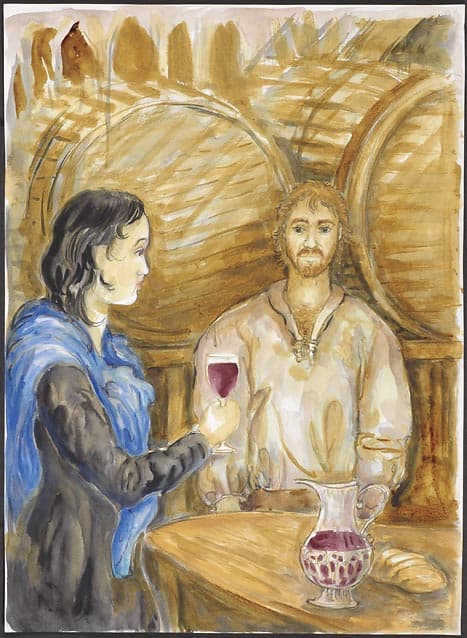
Farmers to the core, who sang while they worked. His mother sang Barbara Ellen and Babes in the Woods; his father sang The Fox on the Town-O, and kept fox hounds not to kill but to listen — he hunted for what he called the sweet music of the chase.
the great teacher
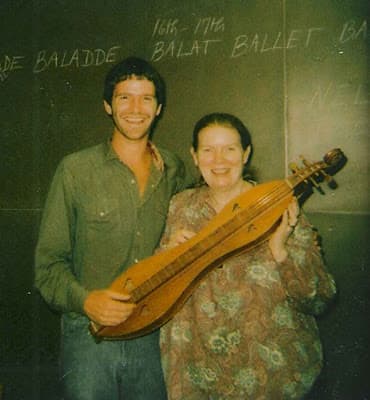
Dan first heard her at fifteen and brought her wildflowers until she put up with his questions. She taught him the dulcimer — bum-biddy-bum, her hand over his — and sang entire ballads one-on-one, knowing full well he might change the tune, change the words, paint it, or fire it into a ceramic.
the stump singer
Found not up a holler but in the phone book, aged 89. He called the ballads “old love songs,” sat knee to knee slapping time, and sang in the booming voice of a man once hired to sing from stumps until a crowd gathered. A half-remembered snippet on Dan's tape later let Sheila Kay Adams reconstruct The Grey Cock — a ballad thought lost in America.
the family line
Chappel's nephew and sister-in-law. Doug sang The Darby Ram, which Dan memorized in a single hearing. Berzilla sang him a wonderful song no one had heard of — and he forgot it almost immediately. So it goes.
of Winchester
Visited often; taught him several songs.
Field recordings & afterlives
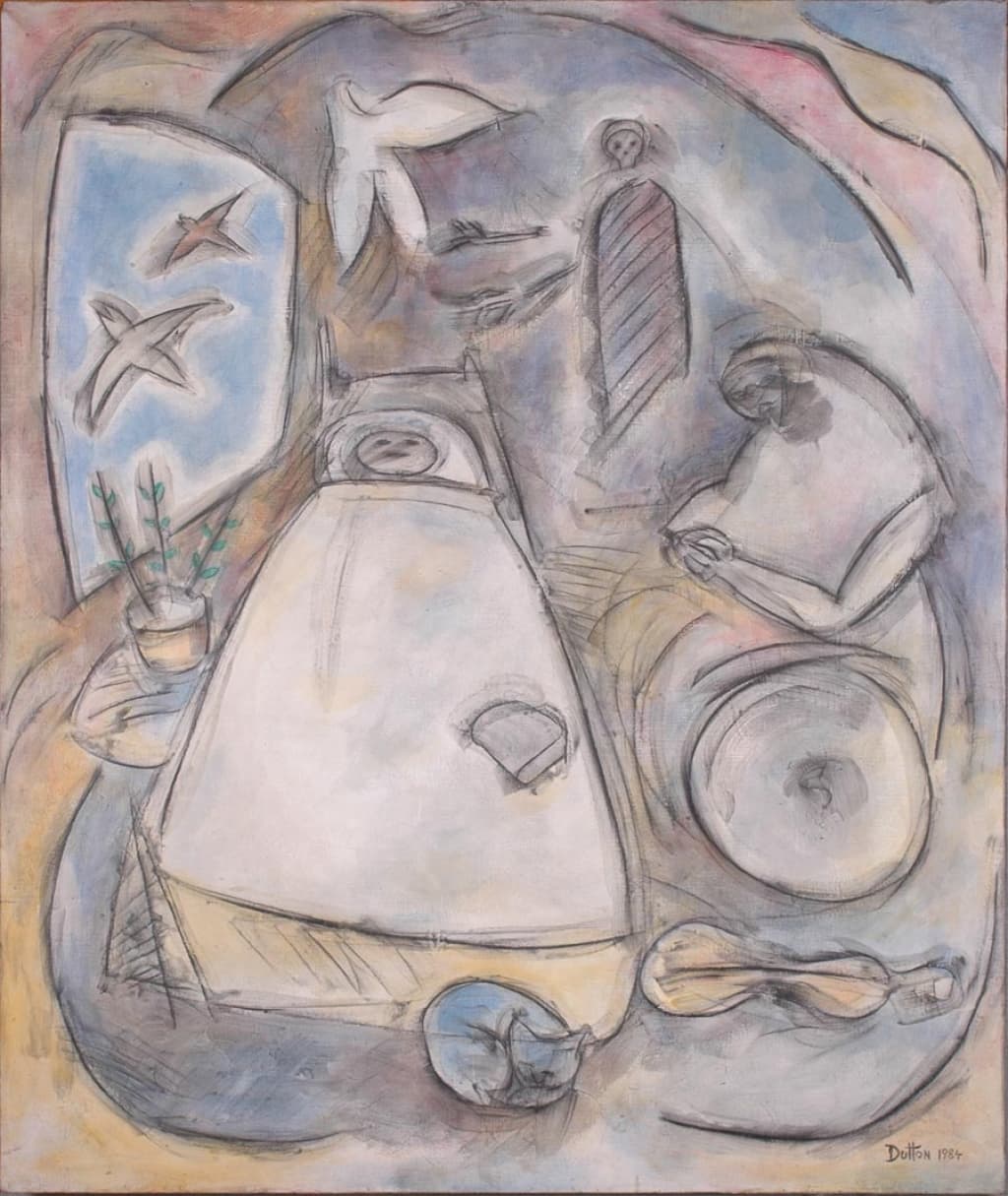
When Chappel Wallin died, his daughter called Dan in tears: the family had nothing of his voice. Dan had the tape — the booming old love songs, the slapped-out time, the question at the start of the reel: does that thing hear me? When he hung up the phone, he saw the painting whole: Death reaching for the bird-soul of music as it flies out the open window, and missing.
That same tape held a broken snippet of a ballad Chappel could barely remember. Years later it was enough for Sheila Kay Adams to raise The Grey Cock — a ballad given up for lost in America — back into the world entire.
“Tape recorders can produce ghosts, and maybe that's the best thing they are able to do.”
The ancient sound
“The ballads must incorporate and process every cultural change in order to truly live on.”
— and, on the label “folk music”: “Either we're all folks or none of us are.”